


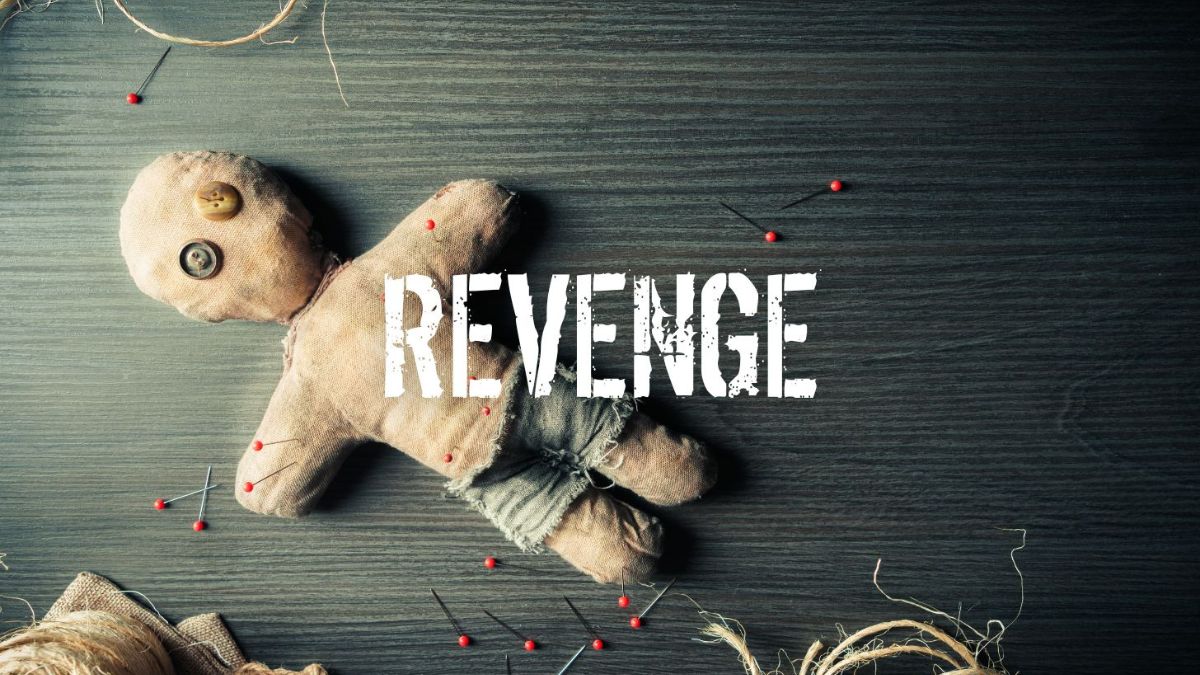
Revenge may provide temporary satisfaction, but it often creates deeper conflicts and more problems, Reverend Benjamin Boateng of Cornerstone Chapel, Assemblies of God, Community 9, has cautioned.
Speaking on Nyansapo Fie on Plan B FM, hosted by Akosua Gyamfua, Rev. Boateng described revenge as the act of hurting someone in response to a wrong committed against a person, usually driven by anger, resentment or the desire to get even.
According to him, people often seek revenge when they feel powerless after being wronged and believe retaliation will restore a sense of justice. He noted that feelings of anger, humiliation, betrayal and attacks on one’s identity or self-worth can also push individuals towards revenge.

He explained that revenge can manifest in different forms, including direct revenge, where an individual immediately confronts or harms the person responsible; indirect revenge, where the retaliation is carried out through subtle actions; and passive-aggressive revenge, which may involve deliberate inaction or intentionally making mistakes to cause harm.
Rev. Boateng, however, pointed to what he described as constructive revenge, where individuals channel the pain of being wronged into self-improvement, personal growth and success rather than seeking to harm their offenders.
He stressed that revenge should not be confused with justice.
“Justice” seeks to establish fairness based on facts, rules and principles, he explained, whereas revenge is often personal, emotional and uncontrolled.
The Reverend further argued that revenge goes against Christian teachings, reminding believers that vengeance belongs to God and that individuals should not take matters into their own hands.
He cautioned that although revenge may make someone feel satisfied temporarily, it cannot change what has already happened or resolve the underlying problem.
Instead, retaliation can escalate disagreements, destroy relationships and turn people who once cared deeply for each other into enemies.
Rev. Boateng therefore encouraged people who have been wronged to consider forgiveness, establish healthy boundaries and pursue peaceful and constructive ways of addressing conflicts.
He emphasised that choosing peace over revenge can help individuals protect their emotional well-being and prevent temporary anger from creating long-term consequences.
By: Lydia Owusu





Discussion about this post