


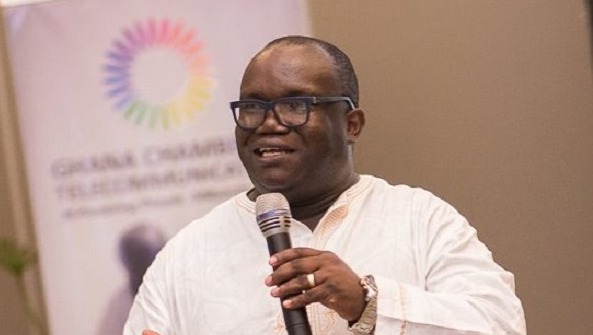
Chief Executive Officer of the Ghana Chamber of Mines, Ing. Kenneth Ashigbey, has called for the declaration of selected state of emergency in communities severely affected by illegal mining, particularly areas where galamsey activities are resulting in loss of lives.
He said the measure is necessary to urgently protect lives and halt the worsening consequences of illegal mining before longer-term interventions are pursued.
Ing. Ashigbey’s call follows the death of seven illegal miners after a mining pit collapsed at Asaman Tamfoe in the Atewa East District of the Eastern Region on Saturday, August 29, 2026.

The incident reportedly occurred at about 11:00 p.m. while the miners were working in the pit in search of gold.
The National Disaster Management Organisation (NADMO) has disclosed that about 30 people have died in mining-related incidents across mining districts in the Eastern Region since January 2026.
Deputy Eastern Regional NADMO Director in charge of Technical and Disaster Risk Reduction, Emmanuel Konja Tullah, disclosed the figure while briefing the media at the scene of the Asaman Tamfoe incident.
Speaking in an interview with Jude Duncan on Channel One TV’s The Point of View on Monday, August 31, Ing. Ashigbey said the latest deaths highlighted the need for a more urgent and decisive response to illegal mining.
“We need to look at the impact that this galamsey is having on us. Look at the death toll that you have announced, and our response to it. I agree the Minister for Land and Natural Resources is really pushing, NAIMOS is pushing, but it’s not enough,” he said.
He argued that the scale of illegal mining and what he described as the impunity surrounding the practice required authorities to take stronger action in communities where lives are at immediate risk.
“What is happening currently lends credence to it that we should be asking that in particular communities where you have galamsey, where lives are being lost. These are places where we should declare selected state of emergency and say we need to stop it,” he said.
Ing. Ashigbey said the death of the seven miners should not be treated as an isolated incident, stressing that the country needed to respond to mining-related deaths with greater urgency.
“Seven lives that have been lost today. Could you imagine if it was any of us? All of us in this room, how many of us? We’re not up to seven. It could be any of us who are there, but we’re not treating it with that level of [urgency],” he said.
He also expressed concern about what he described as the growing normalisation of the effects of illegal mining in some parts of the country.
“In 2024, when you pass Bonsu, you pass Ayinam, and you went to Osino, the level of impunity that is happening there today was not like in the past. Lake Bosomtwe was not under attack,” he said.
According to Ing. Ashigbey, immediate measures to stop illegal mining in high-risk communities should take precedence over longer-term initiatives such as gold traceability.
He said Ghana could subsequently strengthen gold traceability systems through technology, including blockchain, to help monitor the origin and processing of gold.
He further called for stricter controls on the use of mercury in gold processing, pointing to Ghana’s obligations under the Minamata Convention, which seeks to protect human health and the environment from the harmful effects of mercury.
“But before we get there, Jude, we need to stop the bleeding,” Ing. Ashigbey stressed.
Source: CNR





Discussion about this post