



Headline: Unmasking Drug Addiction: Expert Insights on Warning Signs, Triggers, and Recovery Pathways
Drug addiction extends far beyond illegal street substances like marijuana and cocaine, encompassing the subtle and widespread abuse of everyday prescription medications.
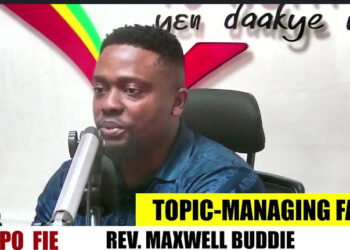
Speaking on Nyansapo Fie on Plan B FM with host Akosua Gyamfua Nyansapo Fie on Plan B, guest Rev. Benjamin Boateng dismantled common misconceptions surrounding substance dependency, highlighting how legitimate medications become harmful when misused.

Rev. Boateng explained the physical mechanics of dependency, noting that consistent overuse causes the body to build tolerance. Over time, standard doses lose effectiveness, prompting individuals to escalate their intake to achieve the same result. This cycle leads directly to chemical dependency, where an individual feels unable to function normally without the substance in their system.
The discussion highlighted critical environmental and psychological triggers driving substance abuse, particularly peer pressure, unresolved stress, and demanding workplace conditions. Individuals frequently turn to substances as a coping mechanism to temporarily escape life challenges or manage physical and mental exhaustion, unknowingly setting the stage for long-term addiction.
Addressing prevention and lifestyle safeguards, Rev. Boateng stressed the importance of personal boundaries and conscious friend choices. Because medication affects every individual’s body chemistry uniquely, using unprescribed or shared drugs poses severe risks. Recognizing personal limits and managing daily stressors directly are crucial steps in preventing reliance on chemical escapes.
Rev. Boateng concluded with a call for proactive intervention and professional support. Breaking free from addiction requires self-awareness, strict personal boundaries, and a willingness to seek counseling or medical therapy. He urged individuals struggling with dependency to pursue professional guidance, emphasizing that recovery begins with acknowledging the problem and accessing structured help.
By: Sandra Kwapong





Discussion about this post