


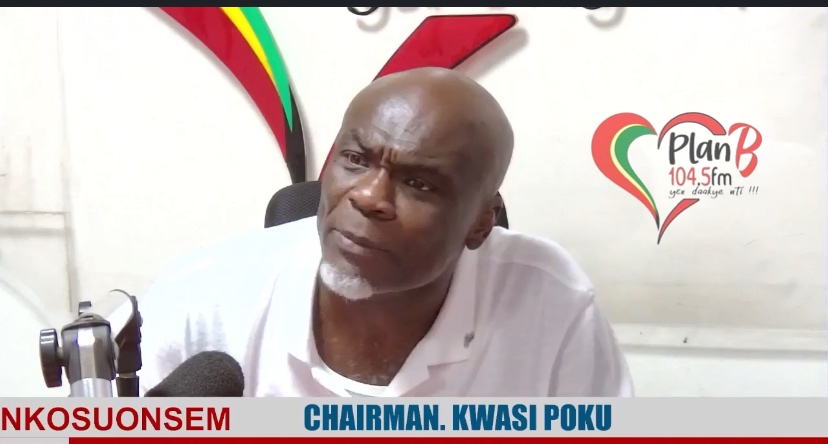
Chairman Kwasi Poku has raised concerns about the feasibility of the government’s 24-hour economy policy, questioning whether the initiative can be implemented successfully without addressing challenges relating to electricity supply, security and public demand for services during the night.
Speaking on Plan B FM’s Nkosuonsem, hosted by Obidehyie Kofi Sekyi, he questioned the practicality of operating markets around the clock, particularly those located in residential areas where customer demand may be low during the early hours of the morning.
He argued that establishing a 24-hour market would not automatically attract traders and customers, stressing that the location and commercial viability of such markets must be carefully considered before the policy is implemented.
Kwasi Poku also expressed concern about the ability of businesses to operate continuously, particularly companies that cannot afford generators or other alternative sources of electricity when power supply is unreliable. He suggested that the government must consider the financial challenges businesses face, including the cost of borrowing, to enable them to sustain round-the-clock operations.
He further questioned the security arrangements required to support the policy, citing filling stations as an example of businesses that operate at night but face security concerns. He called for stronger security measures to protect businesses, workers and customers during overnight operations.
Kwasi Poku maintained that the success of the 24-hour economy would depend on practical implementation, reliable electricity, affordable financing and adequate security. He suggested that the government must demonstrate tangible results to convince Ghanaians of the policy’s effectiveness ahead of the 2028 general elections.







Discussion about this post