


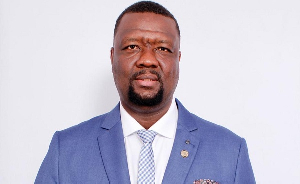
The Chief Executive Officer of the Driver and Vehicle Licensing Authority (DVLA), Julius Neequaye Kotey, has disclosed that he rejected a GH¢4 million cash bribe allegedly offered to stop the implementation of Ghana’s new vehicle number plate system.
Speaking on the September 17, 2026, edition of the Starr Chat show, which was shared on X, Kotey stated that an individual arrived at his office with a bag containing the cash in an attempt to influence him against proceeding with the reforms.
From Dormaahene to Sampahene: Superior Court justices of Ghana who are powerful chiefs
He said he turned down the offer, citing the confidence placed in him by the President, and subsequently reported the matter to the Office of the Special Prosecutor (OSP) for investigation.
“Somebody came to my office with a bag containing GH¢4 million to bribe me to stop the implementation of the new number plates, but I had to reject it because the President had so much confidence in me,” Kotey said.
“The issue is that I wasn’t even interested. First, I want to leave a legacy. And I’ll be so proud to see the new number plates that can be scanned for instant real information,” he added.
When asked why, as a responsible citizen, he did not call or inform security personnel, he explained that it simply did not occur to him at the time.
“Well, that never came to mind. And then I wasn’t having police security. The police security came in when I started receiving threats from people not to change their number plates,” Kotey noted.
The DVLA boss further disclosed that the person behind the alleged bribe had passed away.
“I gave the evidence to the Special Prosecutor. Yes, I did everything. But we had indications that the one who sent them passed on. I even know his name now.
“…Yes, he passed on. He’s an old man,” he emphasised.

‘Release Salomey Bafoh Awiti!’ – Bawumia demands freedom for remanded nurse
He described the offer as coming from interests seeking to protect revenue streams linked to the previous number plate regime.
The new digitalised plates, which incorporate Radio Frequency Identification (RFID) technology and other security features, form part of broader reforms intended to reduce vehicle cloning, smuggling, fake registrations and associated revenue losses.
Watch video here.
“Somebody came to my office with a bag containing GH¢4 million to bribe me to stop the implementation of the new number plates, but I had to reject it because the President had so much confidence in me.”
—The Chief Executive Officer of the Driver and Vehicle Licensing Authority… pic.twitter.com/hHQRWkOXip
— SIKAOFFICIAL🦍 (@SIKAOFFICIAL1) September 18, 2026






Discussion about this post