


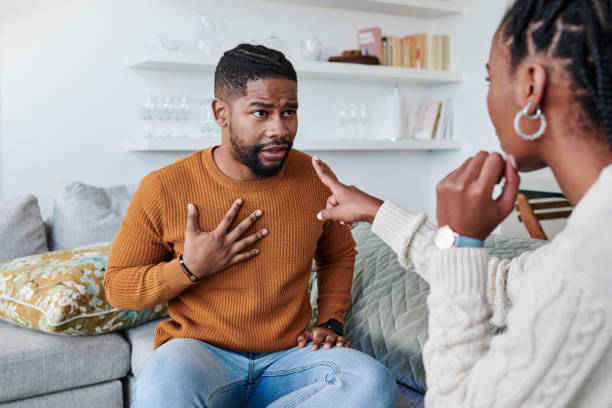
Reverend Benjamin Boateng has urged individuals to learn from past mistakes and avoid allowing regret to dictate their decisions, particularly in friendship, courtship and marriage.
Speaking on Plan B FM’s Nyansapo Fie, hosted by Akosua Gyamfua, on the topic “Dealing with Regret,” Rev. Boateng described regret as a feeling of sadness, sorrow or disappointment over something a person did or failed to do in the past.
He explained that although regret is an unavoidable part of life, people must use their past experiences as lessons rather than allowing them to keep them trapped in the past.

Rev. Boateng noted that regret can have serious consequences for relationships, creating doubt, mistrust and emotional pain between partners.
He said in courtship, people may regret repeating past mistakes, missing opportunities or failing to express their feelings to someone they genuinely love. He also cautioned against remaining in relationships for extended periods without a clear direction or intention towards marriage.
According to him, prolonged friendships without honest communication can also create confusion, particularly when one person begins to interpret the relationship as having romantic potential.
Rev. Boateng further explained that regret can manifest differently in marriage, with some people regretting staying in unhappy marriages while others may regret ending their marriages too quickly.
He therefore advised couples and individuals against making major relationship decisions based solely on temporary challenges or viewing their partners through a consistently negative lens.
He stressed the need for careful reflection, open communication and a proper understanding of situations before making decisions that could have lasting consequences.
Rev. Benjamin Boateng concluded that choosing the right partner can help prevent many regrets in the future.
He encouraged people to accept what has happened, learn from their mistakes and use those experiences to make wiser choices, stressing that while the past cannot be changed, the future can be shaped by better decisions.
By: Anita Arthur




Discussion about this post