


A member of the National Democratic Congress (NDC), Selorm Avedetsi, has called on the National Association of Graduate Teachers (NAGRAT) to provide clear guidelines and a roadmap for its proposed measures to expose teachers and non-teaching staff accused of sexually abusing students.
His comments follow NAGRAT’s announcement that it intends to take a stronger stance against teachers and non-teaching staff involved in sexual harassment and abuse in schools, including plans to name and shame individuals found culpable.
Speaking on Plan B FM’s Nkosuo Nsem with Kofi Sekyi, Mr Avedetsi welcomed the initiative, describing it as a step in the right direction, but questioned how NAGRAT intends to implement the proposed measures.

He said the Association must provide specifics on the processes it intends to follow in identifying, investigating and exposing alleged perpetrators to ensure that the initiative is effective and does not undermine due process.
“The initiative by NAGRAT is the best, but the question is about the approach. They need to provide a clear roadmap and guidelines on how they intend to expose this issue and deal with the situation,” he said.
Mr Avedetsi stressed the need for a well-defined framework that would outline how complaints are received, investigated and referred to the appropriate authorities, particularly in cases involving minors.
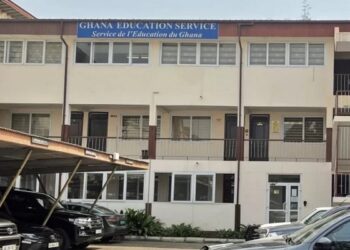
He said the proposed measures should also clearly spell out the roles of NAGRAT, the Ghana Education Service (GES), school authorities, parents and law enforcement agencies in dealing with sexual abuse allegations.
His comments come after NAGRAT President, Jacob Anabah, disclosed that the Association had established a committee to develop measures to deal decisively with teachers involved in sexual misconduct.
Mr Anabah said NAGRAT would no longer protect individuals who endanger students and indicated that the Association could name and shame those found culpable.
He stressed that teachers have a parental responsibility towards students and must maintain professional boundaries, warning against sexual relationships between teachers and learners.
The NAGRAT President also called on the GES to strengthen supervision in schools and urged traditional and religious leaders, as well as other opinion leaders, to speak out against sexual abuse involving children.
He further questioned why the reported sexual abuse case at Obuasi SECTECH was allegedly allowed to escalate despite claims that concerns about the matter had emerged earlier.
Mr Avedetsi believes NAGRAT’s proposed intervention could contribute significantly to protecting students, but insists that the Association must back its position with concrete guidelines and a transparent process to ensure that cases are handled properly.
By: Bernard Mensah





Discussion about this post