


The National Commission for Civic Education (NCCE) has called on all Ghanaians to actively protect and uphold the rule of law as a cornerstone of the country’s democracy.
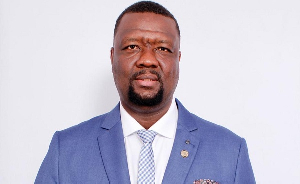
Speaking on Nyansapo Fie on Plan B FM with host Akosua Gyamfua, the Tema West Municipal Director of the NCCE, Mr. Fidel Nii Akuffo Bortey, stressed that allowing the law to operate fairly and impartially is essential to building a strong democratic society. He noted that in Ghana, no individual or institution is above the 1992 Constitution, which serves as the supreme law of the land. As the foundation of the country’s governance, he said the Constitution grants authority to state institutions and leaders while placing a responsibility on every citizen to respect and defend it.
Mr. Bortey expressed concern that corruption continues to undermine the rule of law across various sectors of society. He explained that corruption occurs whenever individuals abuse their power, position, or influence for personal gain or to circumvent established laws and procedures. He added that corrupt practices range from high-level misconduct by public officials to everyday dishonest acts, such as using false measurements when selling goods in the marketplace. According to him, these actions weaken public institutions and ultimately affect the lives of all Ghanaians.

He further stated that citizens have a critical role to play in combating corruption, a responsibility reinforced by the 1992 Constitution. Citing Article 17(1), he noted that all persons are equal before the law, making the fight against corruption a shared national duty. He also highlighted the Whistleblower Act, which provides legal protection for individuals who report corruption and other forms of wrongdoing. Under the law, the identities of whistleblowers are protected, and the state can provide security or relocation where their safety is at risk.
Despite these legal safeguards, Mr. Bortey acknowledged that many Ghanaians are discouraged from reporting corruption due to delays in the justice system. Lengthy court proceedings, prolonged investigations, and concerns that cases may not be pursued often discourage citizens from coming forward. He also observed that when some leaders prioritise political interests or personal financial gain over the public good, confidence in state institutions is eroded.
He therefore urged Ghanaians not to lose faith in the justice system but to continue reporting corruption and other unlawful acts within their communities. He encouraged citizens to support their reports with credible evidence, including documents, photographs, audio recordings, or videos, to improve the chances of successful investigations and prosecutions.
Mr. Bortey concluded by stating that the fight against corruption requires a collective effort. He said that by remaining vigilant, demanding accountability, and supporting institutions such as the NCCE, citizens can help strengthen the rule of law and contribute to building a more transparent, just, and democratic Ghana.
By: Sandra Kwapong





Discussion about this post