


A member of the New Patriotic Party (NPP), Richard Anning, has called on the government to fully digitise the collection of road-related revenues and end the outsourcing of public revenue systems to private entities.
Speaking on Plan B FM’s EBAANOSEN, hosted by Adomba De-Starboy, Mr. Anning argued that the current system encourages political patronage, creates avenues for corruption, and deprives the state of significant revenue.
He said Ghana has the technical capacity to develop and manage homegrown digital platforms for services such as roadworthy certificate renewals, electronic toll collection, and other transport-related payments. According to him, allowing state institutions to collect revenue directly through integrated digital systems would improve transparency, efficiency, and accountability while reducing human interference.

Mr. Anning also proposed that persons with disabilities be engaged to support the operation and management of the digital platforms, saying the initiative could create meaningful employment opportunities alongside improving public service delivery.
He further alleged that the country loses billions of cedis through inefficiencies and corrupt practices at weighbridges, where revenue meant for the state is reportedly diverted into private hands. A fully electronic revenue collection system, he maintained, would minimise leakages and significantly strengthen domestic revenue mobilisation.
Questioning the continued outsourcing of services that could be handled by government agencies such as the Driver and Vehicle Licensing Authority (DVLA) and the Ministry of Roads and Highways, Mr. Anning argued that keeping these functions under direct state control would eliminate unnecessary intermediaries, reduce opportunities for corruption, and ensure better management of public funds.
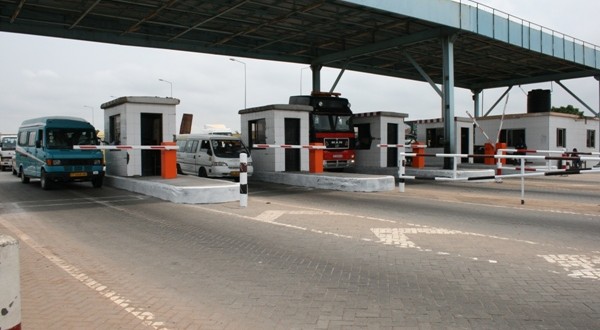
Touching on the Tema Motorway, he criticised successive governments for failing to establish a dedicated maintenance fund despite years of collecting road-related levies from motorists.
Mr. Anning also called for reforms to simplify the renewal process for roadworthy certificates and review existing penalty charges, stressing that the system should encourage compliance while remaining fair, accessible, and practical for motorists.
By: Ernest Kumi






Discussion about this post