


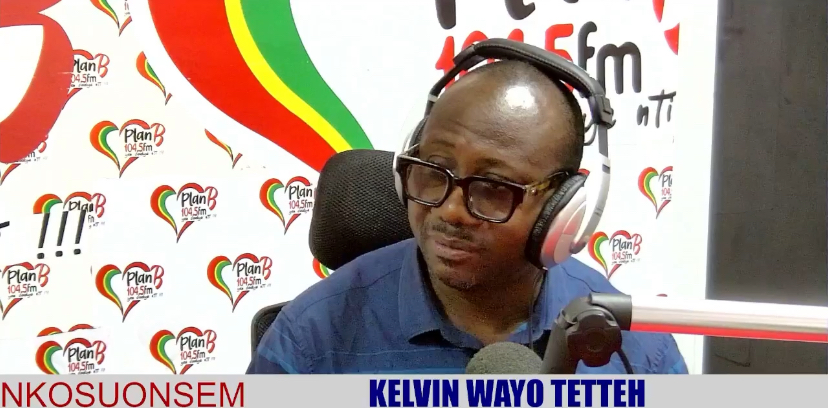
A member of the National Democratic Congress (NDC), Kelvin Wayo Tetteh, has called for urgent measures to address what he describes as the rising levels of indiscipline in Ghana’s schools, particularly second-cycle institutions.
According to him, the growing incidents of misconduct among students require a stronger disciplinary approach, including the reintroduction of corporal punishment as one of the measures to restore discipline in schools.
Speaking on Plan B FM’s Nkosuo Nsem, Mr. Tetteh argued that some of the current approaches to student discipline have not yielded the desired results, insisting that authorities must take a critical look at the situation and adopt measures that will effectively instill discipline among students.

He also expressed concern about what he described as the blind adoption of certain lifestyles and behaviours among students, as well as the increasing use of drugs in some schools.
Mr. Tetteh further raised concerns about students’ involvement in what he described as strange associations, occultism and other forms of behaviour he believes could negatively affect their development and moral upbringing.
His comments follow calls by heads of second-cycle institutions in the Volta Region for a review of the code of conduct governing students in Senior High Schools (SHSs).
The heads believe a review of the existing rules, coupled with stronger enforcement, would enable schools to respond more effectively to disciplinary challenges and create a more conducive environment for teaching and learning.
Speaking on infrastructure challenges confronting second-cycle institutions in the region on Tuesday, August 25, the National Vice President of the Conference of Heads of Assisted Secondary Schools (CHASS), Togbe Foe Tsali, also highlighted the difficulties schools face in maintaining existing infrastructure and called for urgent government intervention.
Mr. Tetteh believes the responsibility for instilling discipline in young people should, however, not rest solely with schools.
He called for greater involvement of chiefs, traditional leaders and opinion leaders in efforts to promote discipline and morality among young people in communities.
According to him, chiefs occupy an important and revered position within Ghana’s traditional governance system and should be given greater opportunities to contribute to moral education and discipline in both communities and schools.
He said stronger collaboration between schools, families, traditional authorities and other stakeholders would help address the growing concerns over student misconduct and ensure that young people receive the guidance needed to become responsible members of society.
By: Bernard Mensah



Discussion about this post