


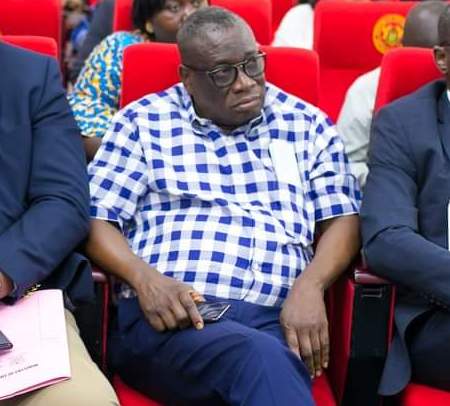
A wave of public backlash has followed recent comments by former Chief Executive Officer of the Ghana National Petroleum Corporation (GNPC), Dr. K.K. Sarpong, after he stated in an interview that he would be open to serving in a Mahama-led administration if offered an appointment.
Dr. Sarpong’s remarks, which also included praise for what he described as a good start by the new Mahama administration, have sparked sharp criticism from sections of the Ghanaian public, particularly listeners and panelists on Plan B FM’s “Ebaanosen.” The programme, hosted by Ohene Kinnah, became a platform for intense debate as callers expressed anger and disappointment over the former GNPC boss’s statements.
Several contributors to the discussion accused Dr. Sarpong of opportunism, arguing that his public endorsement of the Mahama administration was calculated to position himself for a future government role. According to the callers, his comments appeared less about national interest and more about personal ambition.

Listeners further revisited Dr. Sarpong’s tenure at GNPC, with some accusing him of alleged greed and corruption while in office Callers insisted that his past stewardship of the state-owned oil company should disqualify him from holding any future public office. They questioned why a former public official with such a controversial record would be eager to return to government.
Panelists on Ebaanosen echoed similar sentiments, describing Dr. Sarpong’s remarks as insensitive to public perception at a time when many Ghanaians are demanding accountability and a break from what they describe as recycled political figures. Some panel members argued that genuine support for a government should be demonstrated through constructive engagement, not public praise tied to personal availability for appointment.
It must be noted that Dr. K.K. Sarpong’s tenure at the Ghana National Petroleum Corporation was previously entangled in legal battles challenging the legitimacy of his appointment and continued stay in office. In 2017, private citizens filed suits at both the High Court and the Supreme Court, arguing that his appointment violated Ghana’s laws on compulsory retirement age. According to the plaintiffs, Dr. Sarpong was 63 years old at the time of his appointment, contrary to Article 199 (1) of the 1992 Constitution, which mandates retirement from public service at age 60. The suits further questioned the legality of his initial appointment process and sought to nullify his position as GNPC CEO.
The plaintiffs also demanded that Dr. Sarpong be compelled to resign and refund salaries, allowances, and benefits earned while allegedly serving unlawfully beyond the retirement age. They warned that without court intervention, he would continue to remain in office in breach of the law. However, years on, the outcome of these court actions has not been clearly communicated to the public, leaving unresolved questions surrounding the legality of his tenure.
In spite of the court cases pending against Dr K.K. Sarpong, he stayed on as Chief Executive beyond 65 years eventually leaving GNPC when he was almost 67 years which was in clear breach of the 1992 Constitution.
Beyond the age-related legal challenges, Dr. Sarpong’sleadership was also marred by controversy surrounding GNPC’s proposed acquisition of oil assets from Aker Energy and AGM Petroleum. The transaction drew strong opposition from sections of civil society, who raised concerns about the valuation of the assets and the financial risks to the state.
An Energy analyst, Kwadwo Poku, accused Dr K.K. Sarpong of breaching his fiduciary duty by publicly defending the seller’s valuation during negotiations, a move critics described as undermining Ghana’s bargaining position and raising concerns about integrity, transparency and good governance in the oil and gas sector.
By: Bernard Mensah/Planbfmonline.com





Discussion about this post