



Residents have been urged to fulfil their tax obligations to support development at the district level while holding their local assemblies accountable for the use of public funds.
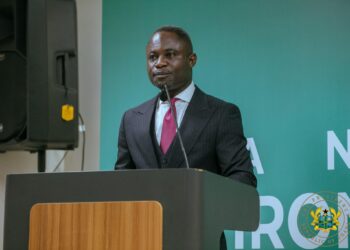
Mr Fidel Nii Akuffo Bortey, speaking on tax compliance by citizens towards district assemblies on Plan B FM’s family, relationship and lifestyle programme, Nyansapo Fie, hosted by Akosua Gyamfua, emphasised that citizens have a responsibility to pay their taxes and the right to demand accountability from their assemblies.

He explained that taxes provide government with the resources needed to undertake development projects, including the construction of schools, hospitals and roads.
Mr Bortey identified the District Assemblies Common Fund (DACF), allocated by the central government, and Internally Generated Funds (IGF) as major sources of revenue for district assemblies.
He noted that internally generated revenue comes from payments such as property rates, business operating fees, building permits, outdoor advertising and signboard permits, as well as fees for marriage services provided by the assemblies.
However, he observed that tax compliance remains a challenge, with some residents insisting on seeing development before paying their taxes, while others are simply reluctant to meet their obligations.
He warned that failure to pay taxes could attract legal consequences, including court summons over unpaid property rates and the closure of markets for failure to settle outstanding fees.
According to him, revenue mobilised by the assemblies helps address community needs such as sanitation challenges, supports businesses through training and funding, and finances development projects based on residents’ priorities.
Mr Bortey further explained that assemblies engage residents to identify their concerns and determine which projects require urgent attention. Although some projects may encounter implementation challenges, he encouraged citizens to visit their respective assemblies and seek explanations when expected developments are not delivered.
He urged residents not to be reluctant to pay their taxes, stressing that fulfilling their obligations also gives them the right to question how public funds are utilised.
He further reminded citizens that the Right to Information (RTI) Act allows them to request information from public institutions, subject to the exemptions provided by law, including restrictions relating to national security.




Discussion about this post