


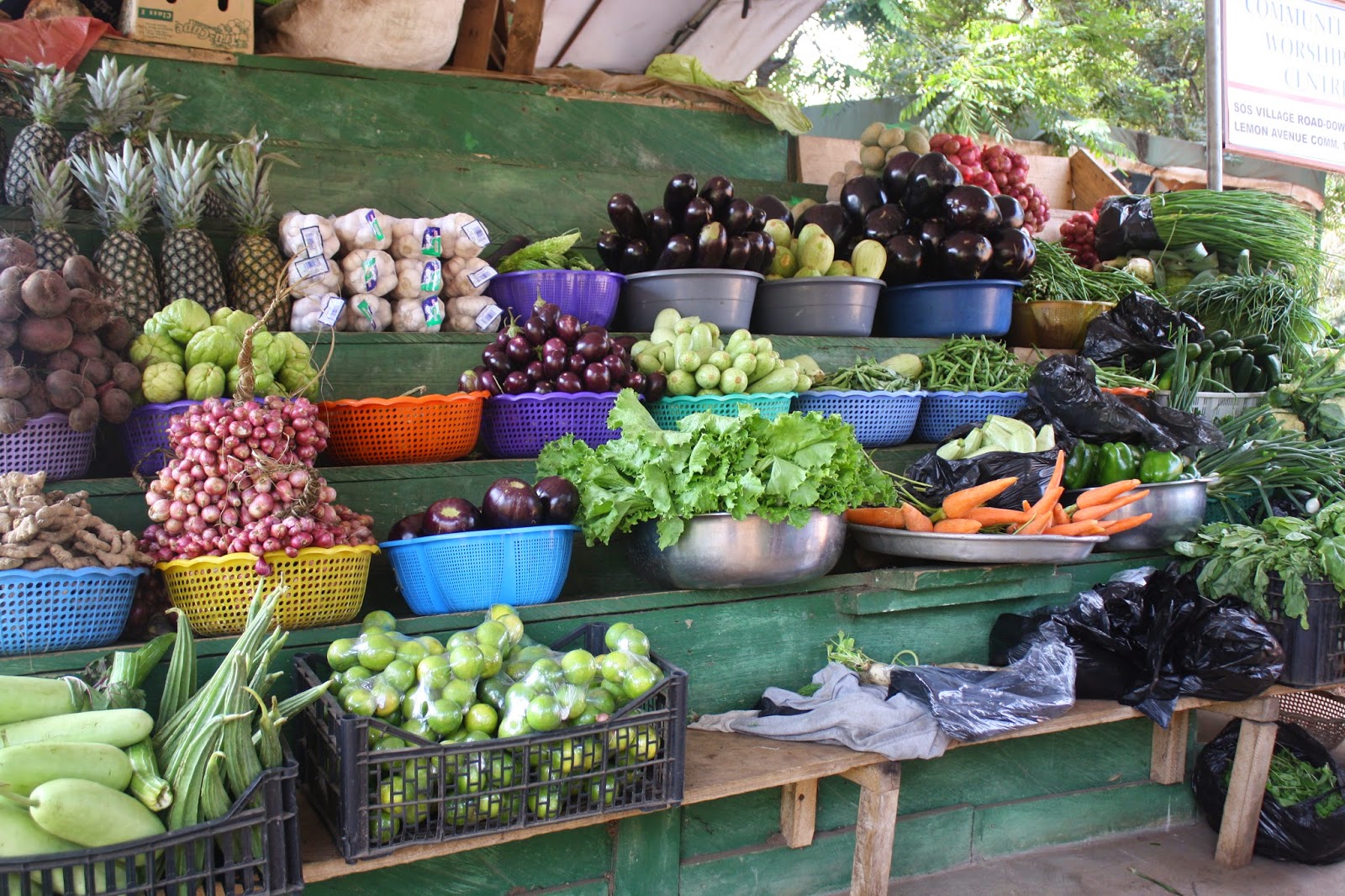
A new review of 45 scientific studies has found that toxic metals from illegal mining activities, locally known as galamsey, are contaminating everyday vegetables in Ghana, posing an elevated health risk to consumers.
Ghana News Headlines
The study, published in the journal Environmental Monitoring and Assessment, traced how five potentially toxic elements, namely lead, cadmium, chromium, mercury and arsenic, move from mining-affected soil and irrigation water into tomato, pepper, garden egg and onion.
The research was conducted by Mr Eric Osei Bonsu, a research assistant and scientist at the CSIR-Crops Research Institute in Kumasi, alongside co-authors Michael Kwabena Osei, Harry Okyere and James Korang.
Cadmium found to be highest risk
The review, which analysed studies from 11 mining districts across Ghana, found that cadmium showed the highest soil-to-plant transfer in tomato and garden egg, with transfer factors above 1.0. This means the concentration of cadmium in the vegetable could equal or exceed that in the soil beneath it.
Ghana News Headlines
The study also found that lead, arsenic and mercury exceeded WHO and FAO Codex limits for vegetables at several sites, most strikingly in the Ashanti and Western Regions. At the most contaminated sites reported, arsenic reached up to 200 times the limit and mercury up to 400 times.
The research further warned that in every mining-adjacent community where the cumulative hazard index could be calculated, it exceeded 1.0, indicating that people who regularly consume vegetables from these places face an elevated non-cancer health risk.
Chromium data incomplete
The study noted that chromium transfer into plants remained low, even where soil levels exceeded 300 milligrammes per kilogramme. However, it warned that almost none of the reviewed studies distinguished between trivalent chromium and the far more toxic hexavalent chromium, meaning a low transfer of total chromium could still conceal a genuine hazard.
Calls for action
The researchers recommended three practical steps. First, monitoring of vegetables, soil and irrigation water should be targeted at mining-affected districts rather than spread evenly across the country. Second, post-harvest washing and handling can reduce contamination on the surface of produce before it reaches markets, although they cannot remove metals already taken up into plant tissue. Third, agricultural buffer zones around mining sites should be set from local contamination data rather than a single fixed distance.
The review also identified three research gaps that deserve attention: the need to measure chromium and arsenic by chemical form, better modelling of the combined effects of several metals acting together, and long-term human biomonitoring in affected communities to link what is found in food to what is found in people.
Mr Bonsu said the work belongs to a team and expressed gratitude to his co-authors and colleagues at the CSIR-Crops Research Institute and the CSIR College of Science and Technology.
“Galamsey is usually discussed in terms of rivers and forests. Our hope is that this review places the food on Ghanaian plates firmly within that conversation,” he said.
Source: Graphic.com.gh




Discussion about this post