


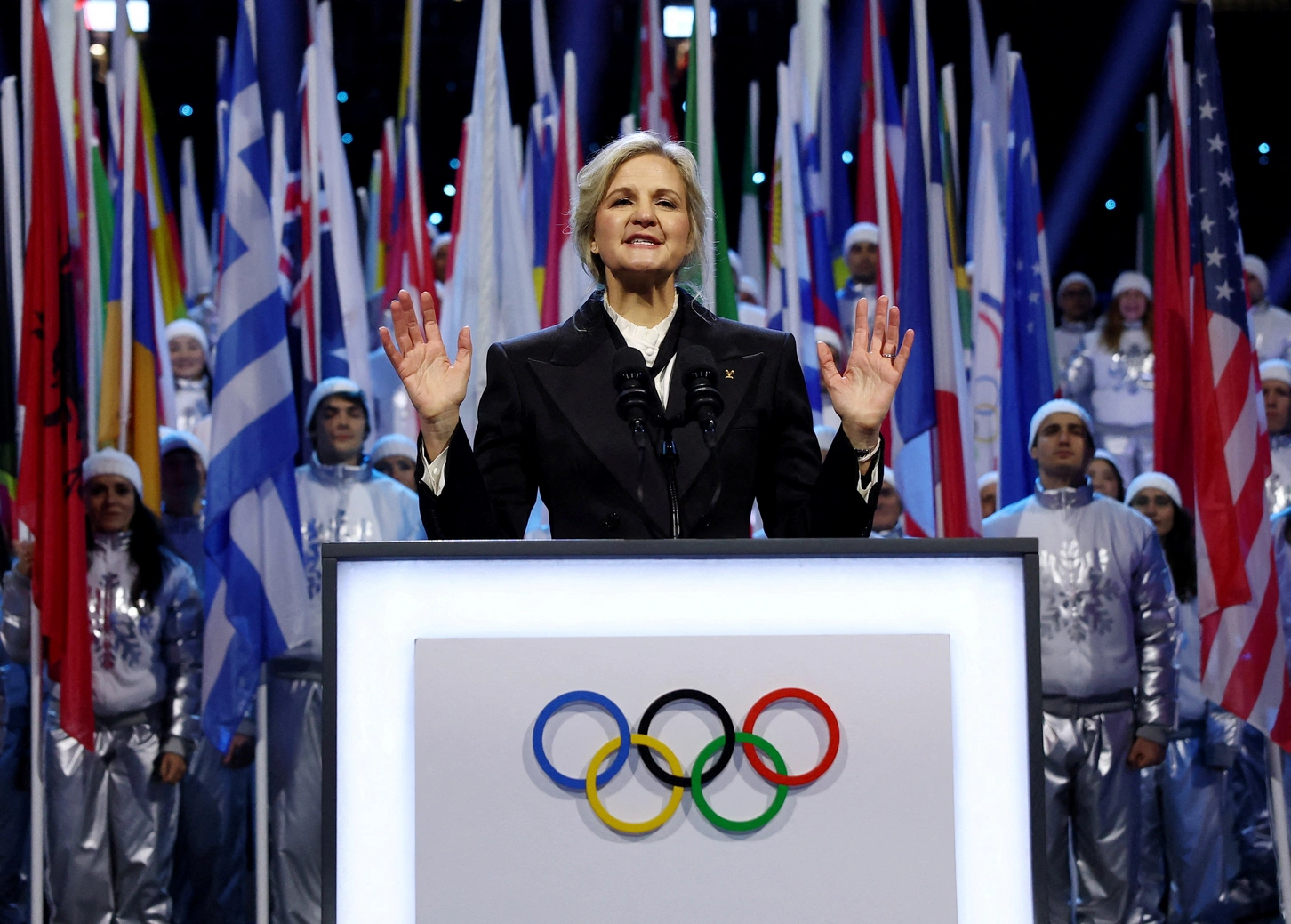
The International Olympic Committee (IOC) has announced a major policy shift that will see the women’s category at the Olympic Games restricted to biological females starting from the 2028 Summer Olympics.
Under the new rules, eligibility will be determined through a once-in-a-lifetime sex verification test, effectively barring transgender women and athletes with differences in sexual development (DSD) from competing in female events.
IOC president Kirsty Coventry said the decision was grounded in scientific guidance and aimed at preserving fairness in competition.


“At the Olympic Games even the smallest margins can be the difference between victory and defeat,” Coventry said.
“So it is absolutely clear that it would not be fair for biological males to compete in the female category.”
Testing methods will include saliva, cheek swabs, or blood samples, approaches the IOC describes as minimally intrusive.
- Athletes who test negative for the SRY genewill be eligible for the women’s category
- The test will be conducted only once in an athlete’s lifetime
- Athletes who do not meet the criteria can still compete in male or open categories

The organization emphasized that the policy will not be applied retrospectively and will not affect grassroots or recreational sport.
Until now, the IOC had largely allowed gender eligibility rules to individual sports federations. Some sports, including athletics and swimming, had already introduced restrictions, while others allowed transgender women to compete under testosterone limits.
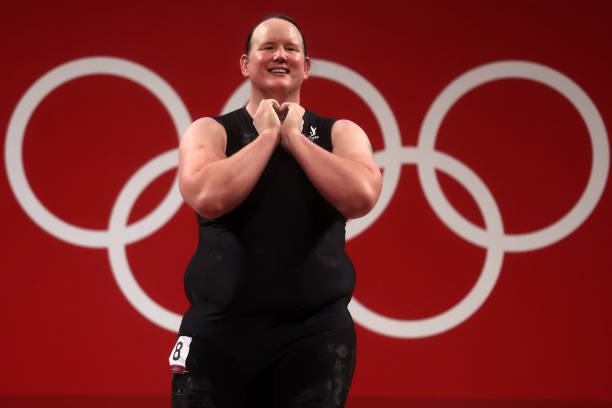
This new directive signals a unified, global approach that all federations are now expected to follow.
The policy will also apply to athletes with DSD, a group that has been at the center of previous eligibility debates, including high-profile cases like Caster Semenya and Lia Thomas.
Ghana national football






Discussion about this post