


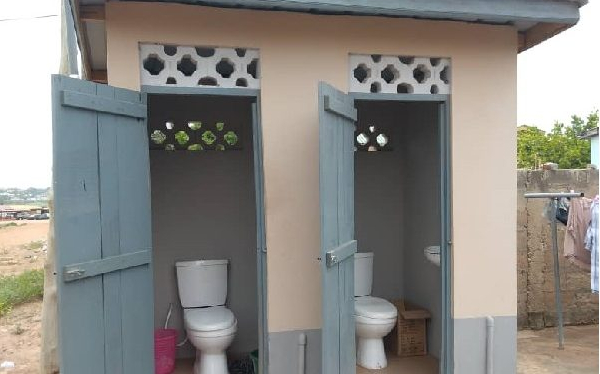
The Atwima Nwabiagya South Municipal Assemblyhas issued a firm directive to landlords and property owners within the municipality, giving them a six-month deadline to provide proper toilet facilities in all residential buildings.
The decision forms part of a broader strategy by the Assembly to improve sanitation, hygiene, and public health standards across the municipality. Officials say the lack of household toilet facilities in many homes has contributed significantly to environmental degradation, health risks, and poor sanitation practices in several communities.
According to municipal authorities, many residential properties still lack basic domestic toilet systems, forcing residents to rely on public toilets or unsafe alternatives, including open defecation. This situation, they explained, poses serious risks to public health, especially in densely populated areas where sanitation infrastructure is already under pressure.

The Assembly stressed that access to proper sanitation is not a luxury but a basic necessity, and landlords have a responsibility to provide safe and healthy living conditions for tenants. By enforcing this directive, the municipal authority aims to reduce sanitation-related diseases, improve environmental cleanliness, and promote dignified living standards for residents.
Officials further indicated that property owners who fail to comply with the directive within the stipulated six months will face sanctions in line with municipal by-laws. These may include fines, legal action, or other enforcement measures designed to ensure compliance and accountability.
The policy has sparked discussions among landlords, tenants, and community leaders. While some property owners have raised concerns about the financial burden of installing toilet facilities, many residents have welcomed the decision, describing it as a long-overdue step toward improving living conditions and public health.
Public health advocates have also praised the move, noting that proper sanitation infrastructure is critical to preventing outbreaks of diseases such as cholera, typhoid, and other sanitation-related illnesses. They argue that investing in domestic toilet facilities will save communities long-term health costs and reduce pressure on public healthcare systems.
The Assembly has called for cooperation from traditional leaders, community heads, and residents to support the implementation of the directive. Officials emphasized that sustainable sanitation improvement requires collective responsibility and community participation, not just enforcement.
As the six-month countdown begins, landlords across the municipality are expected to take steps to meet the new requirements. Authorities have reiterated that the goal of the policy is not punishment but the creation of a cleaner, healthier, and more dignified living environment for all residents of Atwima Nwabiagya South.
Source: Thepressradio.com






Discussion about this post