


MD
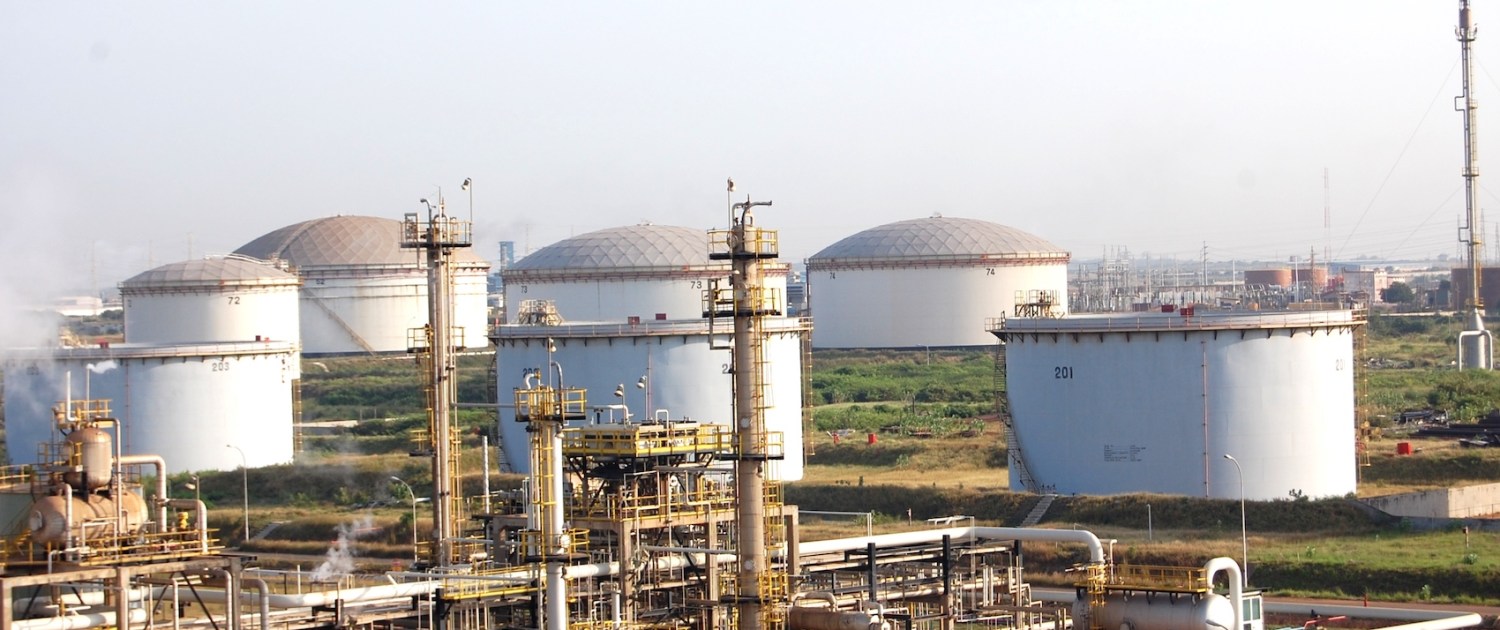
The Deputy Managing Director of the Tema Oil Refinery (TOR), Alhaji Mustapha Abubakar, has highlighted the strategic importance of reviving the refinery, stating that its full operation could significantly reduce Ghana’s fuel import bill and strengthen energy security.
Speaking on CTV’s Oman Ghana Nkusuo morning show hosted by Yaa Titi, Alhaji Abubakar said TOR remains one of Ghana’s most critical national assets and must be prioritised alongside institutions such as COCOBOD and GoldBod.
He disclosed that Ghana currently spends about US$400 million every month importing petroleum products, a situation he described as unsustainable.
According to him, a fully functional TOR, working in collaboration with the Akwaaba Refinery and other facilities, could refine enough crude locally to cut imports by at least 50 percent.
Tips for young professionals looking to secure higher salaries.
Alhaji Abubakar revealed that since his appointment, together with Mr. Edmond Kombat early last year, the government has reiterated its commitment to reviving the refinery.
He referenced a statement by President John Dramani Mahama during the 2024 campaign period, in which the President described TOR as a strategic national asset that must be restored to full capacity.
Currently, TOR produces about 28,000 barrels of petroleum products per day, compared to Ghana’s national demand of approximately 112,000 barrels per day.
However, the Deputy Managing Director noted that output is expected to increase significantly once a new furnace is commissioned by the President.
“When the new furnace comes on stream, production capacity will rise to about 60,000 barrels per day, which will be a major boost to domestic refining,” he said.
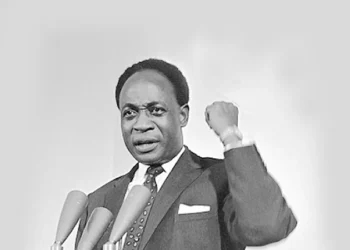
He also emphasized the historical importance of the refinery, noting that TOR was originally established during the era of Dr. Kwame Nkrumah to ensure Ghana’s energy security through local refining.

Alhaji Abubakar acknowledged the operational and financial challenges facing the refinery but assured that management is implementing measures to optimize production, reduce costs, and improve efficiency to minimize the impact of tolling arrangements on operations.
He stressed that reviving TOR is not only critical to reducing fuel imports but also to supporting Ghana’s broader economic growth and industrial development.





Discussion about this post