


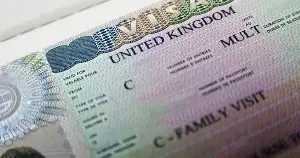
A fresh debate has emerged over immigration and historical justice after Reform UK, a British political party led by Nigel Farage, proposed denying visas to nationals of countries seeking slavery reparationsfrom the United Kingdom.
The proposal has drawn criticism from commentators and political observers, many of whom argue that it would amount to using visa policy as a political tool in response to calls for reparatory justice.
The proposal was announced by the party’s home affairs spokesperson, Zia Yusuf, who argued that countries demanding compensation for Britain’s role in the transatlantic slave trade should not continue to benefit from access to UK visas.
According to Yusuf, Britain should not be expected to pay financial reparations for historical slavery.
The proposal comes at a time when several Africanand Caribbean nations have renewed calls for reparations over the lasting effects of the transatlantic slave trade and colonialism.
Geographic Reference
Among the countries that have publicly supported discussions on reparatory justice are Ghana, Nigeria, Kenya, Jamaica, Barbados, Guyana, Haiti, The Bahamas, and several others.
The issue gained additional international attention after the United Nations General Assembly adopted a resolution recognizing the transatlantic slave trade as one of history’s gravest crimes and calling for continued discussions on reparatory justice.
Critics of Reform UK’s proposal argue that linking immigration policy to political disagreements over reparations could undermine diplomatic relations between the United Kingdom and affected countries.
Some observers have described the proposal as an attempt to “weaponise” visa policy by using access to immigration as leverage in an international political debate.
Politics
Others believe discussions surrounding reparations and immigration should remain separate, warning that combining the two issues could complicate diplomatic engagement.
Supporters of the proposal, however, maintain that Britain should firmly reject demands for financial compensation relating to historical slavery.
They argue that present-day immigration policy should reflect the country’s current national interests rather than historical events.
The proposal has generated significant discussion both within the United Kingdom and across Africa and the Caribbean, with many questioning the broader implications for international relations.
Despite the public debate, it is important to note that the proposal has not been adopted as official policy by the UK government.
It remains the position of Reform UK, which is a political party and not the governing administration.
The UK government’s longstanding position continues to be that it does not support financial reparations for slavery, while its existing immigration and visa policies remain unchanged.
As conversations about historical justice continue globally, the issue of slavery reparations remains one of the most sensitive topics in international diplomacy.
The latest proposal has further highlighted the differing perspectives on how countries should address the legacy of the transatlantic slave trade while maintaining modern diplomatic and immigration relationships.
Source: Thepressradio.com







Discussion about this post