


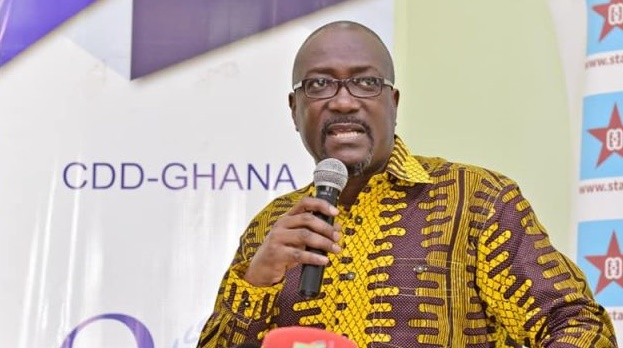
He highlighted that such “retirement-on-salary” arrangements are rare in other countries and argued that the system contributes to financial strain within Ghana’s public sector.
His remarks come amid ongoing concerns over the country’s growing wage bill, which continues to put pressure on government finances.
“We must scrap the ‘retirement on salary’ compensation practices in our public sector. Do we know any other place in the world where this sort of thing happens as commonly as it does here? We are just ridiculous!” he said.

In 2025, Ghana spent 44 percent of its total tax revenue on public sector wages, significantly higher than the 35 percent threshold recommended by ECOWAS, according to Finance Minister Dr. Cassiel Ato Forson.
During that period, the government collected GH¢183 billion in tax revenue, of which GH¢122.1 billion was allocated to statutory obligations including transfers to the DACF, GETFund, NHIL, and debt servicing.
This left just GH¢61.9 billion to cover other government expenditures, while the public sector wage bill alone totaled GH¢78.9 billion.
The resulting shortfall of approximately GH¢17 billion forced the government to borrow in order to meet salary commitments.
Dr. Forson also noted that when combined with debt servicing and statutory transfers, the cost of wages now surpasses total tax revenue.
Source: Ghanaweb






Discussion about this post