


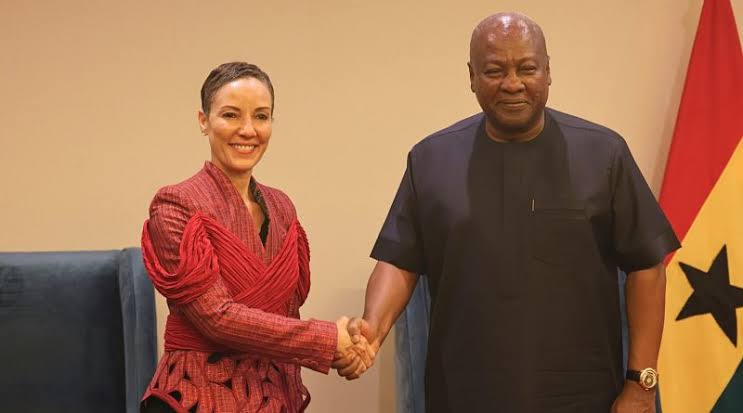
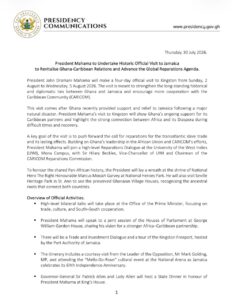
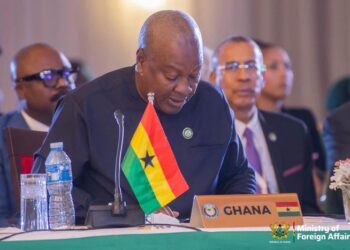
President John Dramani Mahama will undertake a four-day official visit to Kingston, Jamaica, from Sunday, August 2 to Wednesday, August 5, 2026, aimed at strengthening Ghana’s longstanding diplomatic and historical ties with Jamaica while advancing cooperation with the Caribbean Community (CARICOM).
According to a statement from the Presidency Communications Office dated July 30, 2026, the visit follows Ghana’s recent support and relief efforts to Jamaica after a major natural disaster and is expected to reinforce the strong historical and cultural bonds between Africa and the Caribbean.
A major highlight of the visit will be President Mahama’s participation in a high-level reparations dialogue at the University of the West Indies (UWI), Mona Campus. The discussion, to be held with UWI Vice-Chancellor and Chairman of the CARICOM Reparations Commission, Sir Hilary Beckles, will focus on advancing the global reparations agenda for the transatlantic slave trade and its enduring effects.
The President will also pay tribute to Jamaica’s National Hero, Marcus Mosiah Garvey, by laying a wreath at the National Heroes Park. He is also expected to visit Seville Heritage Park in St. Ann, where preserved Ghanaian Village Houses symbolize the shared ancestral heritage between Ghana and Jamaica.
During the visit, President Mahama will hold bilateral talks with Jamaican officials on trade, culture and South-South cooperation. He is also scheduled to address a joint sitting of Jamaica’s Parliament, participate in a Trade and Investment Dialogue, tour the Kingston Freeport, and attend Jamaica’s 64th Independence celebrations, including the “Mello-Go-Roun” cultural event.
The itinerary also includes a courtesy visit with Opposition Leader Mark Golding and a State Dinner hosted by Governor-General Sir Patrick Allen and Lady Allen at King’s House.
The Presidency said the visit is expected to chart a new course for Ghana-Jamaica relations, position Ghana as a gateway for CARICOM’s engagement with Africa, and strengthen collaboration on reparations, economic development and South-South cooperation.
By: Bernard Mensah



Discussion about this post