


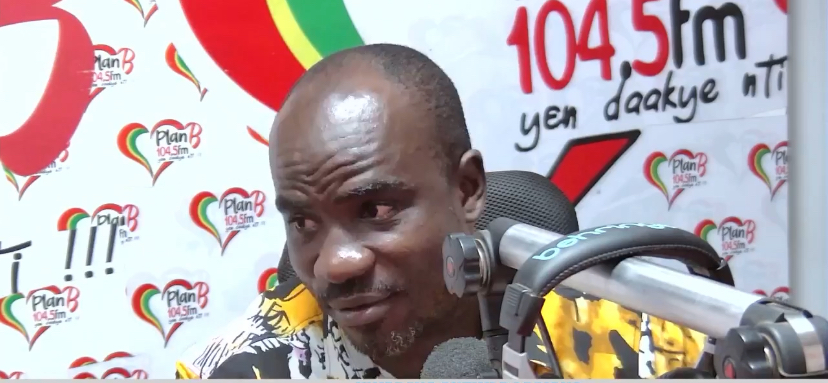
Kwabena Antwi Boasiako, Tano North Constituency Treasurer of the New Patriotic Party (NPP), has defended the economic and social intervention policies implemented under the previous NPP administration, arguing that the government delivered several development initiatives despite criticisms from the opposition National Democratic Congress (NDC).
Speaking on Nkosuosɛm on Plan B 104.5 FM, hosted by Obidehyie Kofi Sekyi, Mr. Boasiako questioned the credibility of the NDC’s 24-hour economy policy, insisting that the party had yet to demonstrate how the proposed initiative would translate into meaningful employment and economic opportunities for Ghanaians.
He compared the 24-hour economy proposal to the NDC’s earlier One District, One Factory initiative, which he argued was similarly presented as a major economic transformation agenda. According to him, Ghanaians deserve measurable results rather than political promises, particularly when such policies are expected to create jobs and stimulate industrial growth.
Mr. Boasiako also defended the previous government’s approach to youth employment, arguing that its development agenda included skills training and the establishment of training centres to equip young people with practical and employable skills. He maintained that such interventions were intended to address unemployment by preparing young people for opportunities in various sectors of the economy.
He cited the establishment of training facilities, including one in Madina, as part of the efforts to strengthen vocational and technical education. He argued that the effectiveness of such initiatives should be assessed based on the opportunities they create for young people to acquire skills and become economically productive.
Turning to the NDC’s criticism of the NPP’s economic management, Mr. Boasiako maintained that the previous administration had introduced several policies and infrastructure projects aimed at improving the living conditions of ordinary Ghanaians. He referenced the Free Senior High School policy, the Ghana Card and the National Health Insurance Scheme as examples of major interventions that had contributed to the country’s social development.
He further criticised the NDC for its opposition to the Free Senior High School policy when it was introduced, alleging that the party and its communicators had consistently campaigned against the initiative. He argued that the policy had nevertheless become an important part of Ghana’s educational system and should be assessed on its impact rather than political disagreements surrounding its introduction.
On healthcare infrastructure, Mr. Boasiako also raised concerns about the implementation and distribution of development projects, referring to hospital projects and other health-related investments undertaken under the previous administration. He questioned criticisms of the NPP’s record, insisting that the government had made efforts to expand access to essential public services.
The NPP communicator also highlighted concerns about the cost of cooking gas, using the price of a 14-kilogramme cylinder to illustrate the financial pressure facing households. He cited prices ranging between GH¢250 and GH¢280, while suggesting that consumers in some instances had previously paid between GH¢190 and GH¢200.
He questioned why households continued to face such costs despite the country’s natural gas resources, arguing that the affordability of essential household energy remained an important issue that required attention from policymakers.
Mr. Boasiako’s comments form part of the continuing political debate over economic management, employment creation, social interventions and the cost of living, as both the NPP and NDC seek to defend their respective policy records and economic proposals.
He maintained that the performance of political parties should be judged by the practical outcomes of their policies and the extent to which those policies improve the lives of ordinary Ghanaians.
By: Raphael Narh Gatourhe




Discussion about this post