


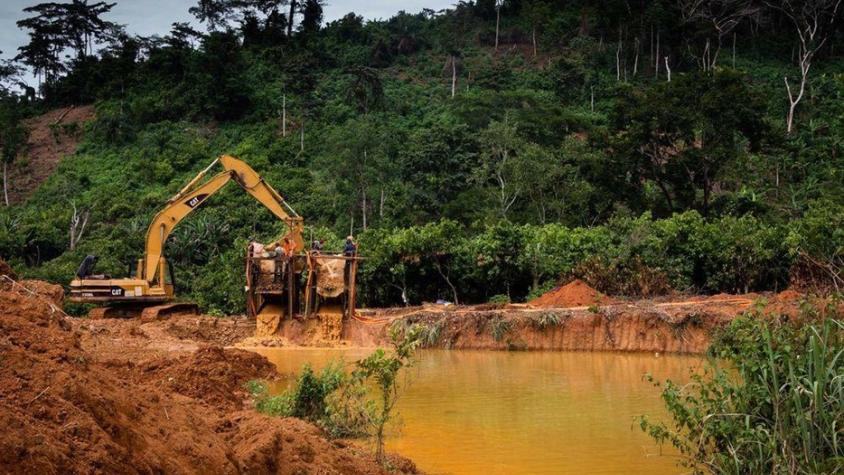
The National Inter‑Agency Task Force on Illegal Mining (NAIMOS) has uncovered severe environmental destruction in the Bosome‑Freho District of Ghana’s Ashanti Region during a recent anti‑galamsey operation. The raid revealed large swathes of farmland that have been rendered barren, highlighting the destructive impact of illegal mining on local communities and agriculture.
According to NAIMOS officials, the operation exposed farmlands scarred by deep pits, soil erosion, and general degradation — making them unsuitable for cultivation. The damage underscores the broader consequences of “galamsey” activities, which not only harm the environment but also jeopardize the livelihoods of families dependent on farming.
“Illegal mining has long been a threat to our natural resources,” a NAIMOS spokesperson stated. “This operation shows just how devastating unregulated mining can be. It’s not just the rivers and forests that are affected — farmlands, which feed communities, are also being destroyed.”

For residents of Bosome‑Freho, the impact is deeply personal. Many households rely entirely on agriculture for food and income. With farmlands destroyed, crop production is severely diminished, leading to potential food insecurity and economic hardship. Local farmers have expressed concern over the loss of fertile land and are calling for urgent interventions to restore the degraded areas.
Illegal mining — popularly referred to as galamsey — has been a persistent issue in Ghana, particularly in regions rich in mineral deposits. While it can offer short-term financial gains, the long-term consequences for the environment and rural livelihoods are severe. Contaminated water, deforestation, and soil degradation are common outcomes, and the Bosome‑Freho case illustrates that farmlands, crucial to food security, are equally at risk.
NAIMOS emphasized that the operation serves as both a deterrent to illegal miners and a warning that unlicensed mining will not be tolerated. The agency has intensified its monitoring and enforcement activities, coordinating with local authorities and communities to identify hotspots and dismantle galamsey networks.
Experts say that curbing illegal mining requires more than just raids. Effective policy measures, environmental education, and community involvement are necessary to prevent further destruction. Restoring degraded lands and supporting affected farmers are equally crucial to ensure that communities can rebuild their livelihoods.
The Bosome‑Freho operation demonstrates the urgent need for a comprehensive approach to tackling illegal mining in Ghana. It highlights that environmental protection, agricultural sustainability, and community welfare are interconnected, and that the fight against galamsey must address all three areas simultaneously.
As Ghana continues to grapple with the galamsey menace, the Bosome‑Freho revelations serve as a stark reminder of the human and environmental cost of illegal mining. NAIMOS has called for stronger regulations, stricter enforcement, and public vigilance to protect farmlands, rivers, and forests, ensuring that future generations can benefit from the country’s natural resources.
Source: Thepressradio.com





Discussion about this post