


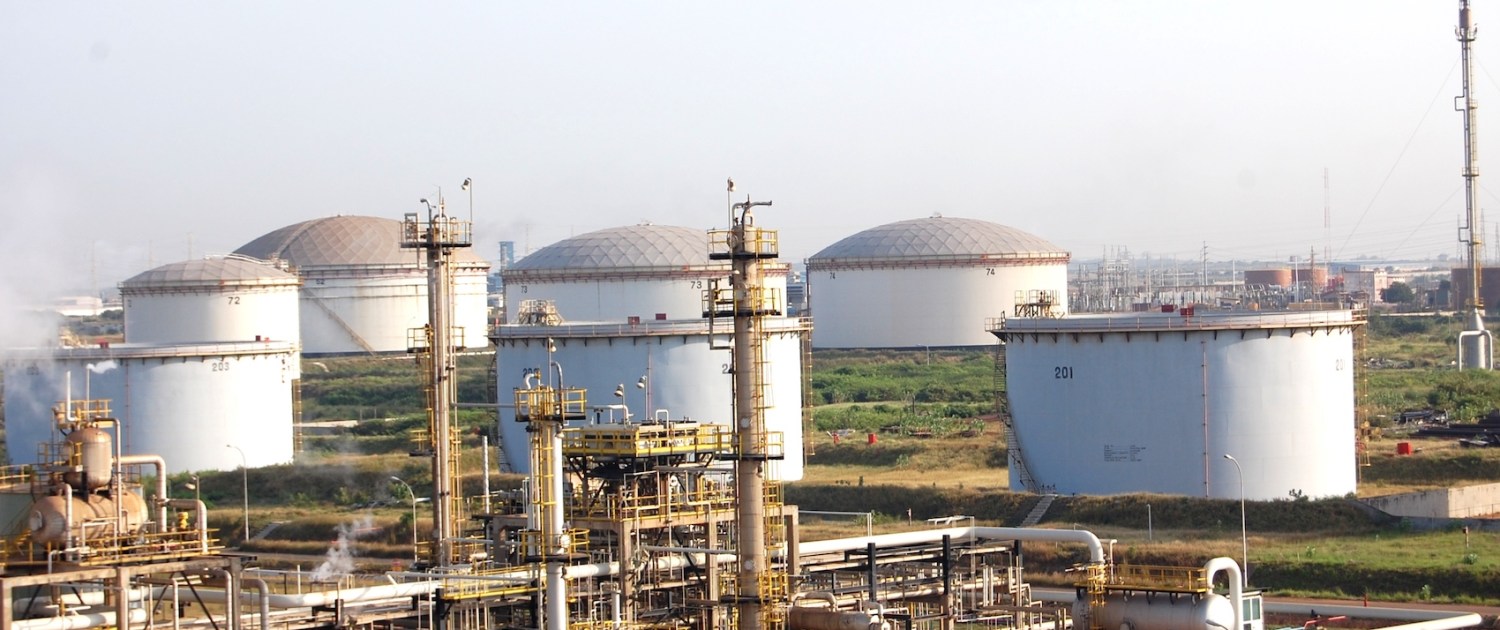
Ghana’s energy security has come under fresh scrutiny following revelations that the Tema Oil Refinery (TOR) is currently able to meet only 60 percent of the country’s daily fuel demand.
Energy analyst and radio activist, Mr. Sampson Addae, disclosed on Plan B FM’s EBANOSEN that Ghana remains heavily dependent on imported refined petroleum products despite having a national refinery.
Responding to a question from host Ohene Kinnah on whether Ghana could survive without crude imports from the international market amid rising geopolitical tensions in the Middle East, Mr. Addae was emphatic.

“TOR can only supply 60 percent of Ghana’s fuel needs. We still require about 40 percent to supplement. Ghana consumes approximately 45,000 barrels of fuel per day,” he explained.
His comments come at a time when instability in parts of the Middle East is raising fears about potential supply disruptions and price volatility on the global oil market — a situation that could have direct implications for pump prices in Ghana.
Industry observers say Ghana’s continued exposure to global crude price shocks underscores long-standing structural challenges within TOR, including operational inefficiencies, financing constraints, and limited refining capacity.
Mr. Addae argued that Ghana must treat refinery expansion as a matter of national urgency. According to him, building a new refinery or significantly upgrading existing infrastructure is critical to reducing dependency on external markets.
He further proposed a continental solution, pointing to the emerging influence of the Dangote Refinery in Nigeria as a potential anchor for African energy collaboration.
“If African countries deepen trade cooperation under the African Continental Free Trade framework, and refineries like Dangote’s become central supply hubs, supported by crude producers such as Nigeria and Angola, Africa could significantly strengthen its energy independence,” he noted.
By: Nana Asabea | Planbfmonline.com




Discussion about this post