


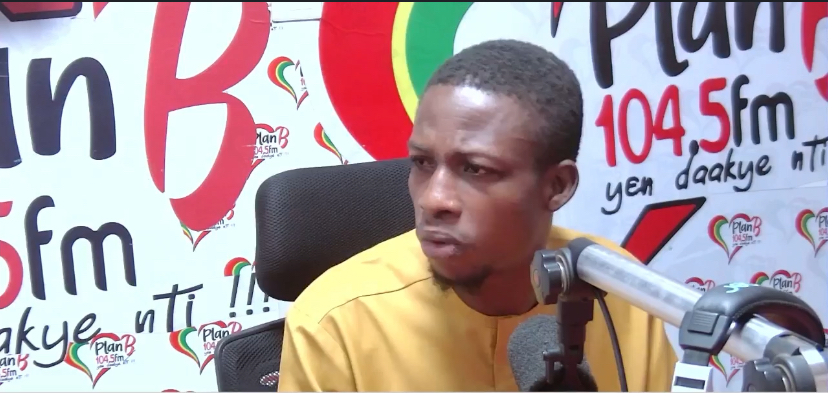
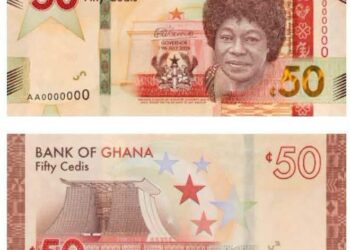
Abdul Issah Fatawu, an NPP Tema West Communications Team Member, has questioned the impact of the Bank of Ghana’s planned enhancement of security features on the strength of the Ghanaian cedi, arguing that improving the physical features of banknotes alone cannot strengthen the local currency.
Speaking on Plan B FM’s Nkosuonsem, hosted by Asonaba Kofi Gyamfi, Mr. Fatawu explained that enhancing the security features of the cedi falls within the Bank of Ghana’s mandate, particularly as part of efforts to protect the currency against counterfeiting and other forms of abuse. However, he maintained that such an exercise should not be mistaken for a solution to the challenges affecting the cedi’s value.

He argued that Ghana must concentrate on strengthening its economy through policies that promote local production, exports and international trade. He noted that when the country produces quality goods for export and generates more foreign exchange, demand for the cedi can improve, thereby contributing to its strength. He stressed that changing or enhancing the security features of banknotes does not automatically increase the value of the currency because the same cedi will continue to circulate.
Mr. Fatawu also dismissed suggestions that the Bank of Ghana’s currency enhancement exercise could be politically motivated to favour the governing NDC, insisting that the institution has the responsibility to protect the country’s currency regardless of which political party is in power. He, however, accused the NDC government of failing to consider suggestions from the NPP because of its parliamentary majority, adding that the opposition would push for better governance and accountability if given the opportunity to govern in 2028.
He further criticised the leadership of the Bank of Ghana, particularly its Governor, Dr. Johnson Asiama, over what he described as an extravagant lifestyle, likening it to that of an Arabian king. He questioned the justification for such a lifestyle at a time when Ghanaians continue to face economic difficulties.
He insisted that public officials must be held accountable for the resources entrusted to them, stressing that every cedi spent must be properly accounted for. He maintained that Ghana needs sound economic management, increased productivity and accountability rather than relying solely on changes to the physical features of its currency.
By: Ernest Kumi





Discussion about this post