


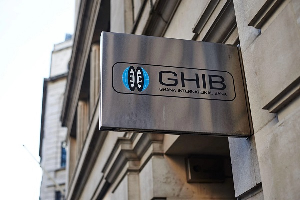
The government of Ghana has denied reports that the Bank of Ghana (BoG) plans to sell Ghana’s controlling stake in the London-based Ghana International Bank (GHIB), following allegations made by IMANI Africa Vice President, Kofi Bentil.
The controversy began last week after reports emerged that GHIB’s board had asked its Chief Executive Officer to step down without publicly stating the reasons for the decision.
Some reports linked the CEO’s departure to his alleged opposition to a proposed sale of Ghana’s shares in the bank.
President Mahama releases GH¢100m for Ghana National Research Fund
Kofi Bentil amplified the claims on social media, criticising what he described as a series of questionable financial decisions by the Bank of Ghana.
“They sold 18 tons of gold and used it to reduce their losses. Then they floated a sale-and-leaseback of their office, which backfired. Now they are planning to sell Ghana’s shares in GHIB, London. Nkrumah must be rolling in his grave. Stay tuned,” he posted.
Responding to the allegations, Beatrice Annan, a presidential staffer and member of the Bank of GhanaBoard, dismissed the reports.
“This is a big fat lie. Kindly disregard makers of fake news who are gasping for scandals,” she wrote.
Despite the denial from the presidential staffer and BoG board member, the Bank of Ghana has not yet issued an official statement regarding either the reported dismissal of the GHIB CEO or the alleged plan to sell Ghana’s shares in the bank.
In a follow-up post, Bentil acknowledged the government’s denial but raised fresh questions about GHIB’s funding arrangements.
“A clear position that GHIB shares won’t be sold is good,” he wrote.

“But question… has the World Bank approved a $100 million loan for GHIB, and expressed interest in injecting equity? What does that mean?”
GHIB was established in 1959 and serves as a correspondent bank for Ghanaian banks and businesses engaged in trade with the United Kingdom and other international markets.
Ghana’s stake in the bank is widely regarded as strategic, particularly in supporting foreign exchange transactions and trade finance.




Discussion about this post