


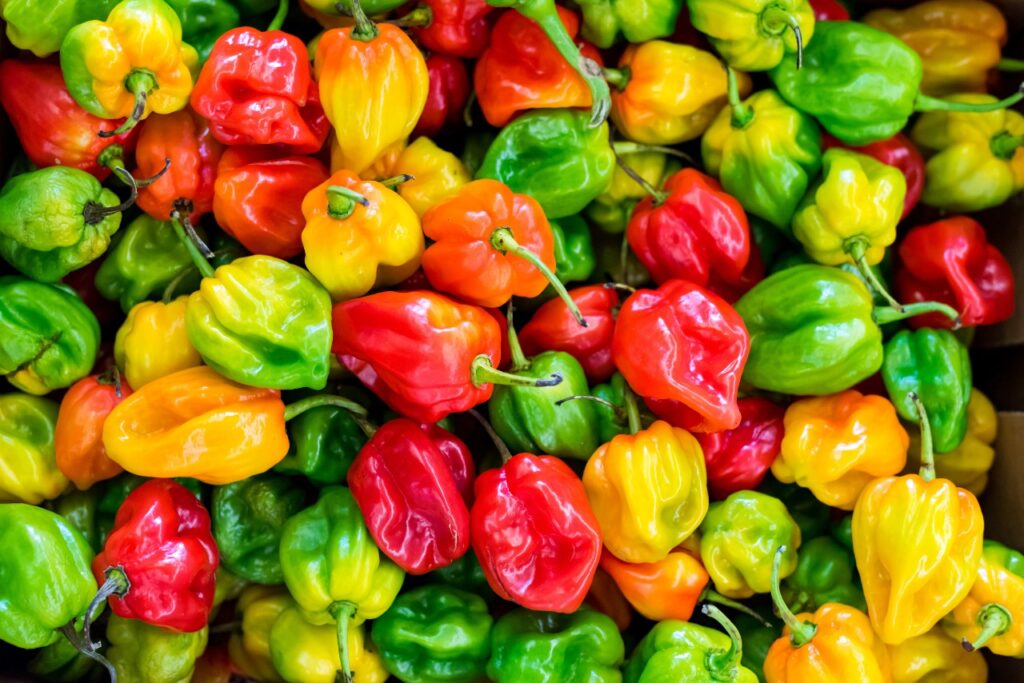
In Ghana, pepper remains an essential part of the daily food life. The fiery red and green peppers add flavour to every meal and are a cornerstone of local cuisine. However, in recent times, pepper sellers have increased the prices at which they sell these vital ingredients.
The surge in pepper prices has been particularly noticeable in the Mallam market, where prices have significantly risen compared to the beginning of the year.
According to the market women, they are not trying to make extra money at their customers’ expense rather, their costs have gone up, and they must reflect these increases in their prices.
Currently, a bag of fiery red pepper is now priced at 4,000 GHS, while green pepper costs 2,300 GHS.
In an interview with some pepper sellers, they explained their reasons for selling peppers at higher prices.
Amina, a known vendor of pepper in the Mallam Market, explained that they charge higher prices due to the high cost of transportation fare in the country. According to her, the journey to the farm is not an easy one.
It involves hours of travel, negotiating with the farmers, paying people to help with bagging the peppers, and the struggle to bring them to the market. She again mentioned that sometimes, these costs are then passed to the buyers.
Another pointed out that the cost of storage and handling also contributes to the price increase. Pepper traders must ensure that the peppers remain fresh and of high quality until they are sold. This can involve costs related to proper storage and handling to prevent spoilage, especially in climates where peppers can quickly deteriorate.
Furthermore, some local sellers indicated that they have their own operational costs, such as stall rental, utilities, and labour, which must be covered through the prices they set for their peppers.
The increasing prices of peppers have also been influenced by external factors such as weather conditions and market demand. Unpredictable weather patterns, including droughts and heavy rains, can adversely affect pepper crops, leading to lower yields and increased scarcity. When the supply decreases, the prices naturally go up due to higher demand.
Additionally, economic factors such as inflation and currency fluctuations has impacted the cost of agricultural inputs like seeds, fertilizers, and pesticides. When these costs rise, farmers pass them on to sellers, who then adjust their prices accordingly.

Consumer reactions to the price hikes have been mixed. Some understand the challenges faced by sellers and the reasons behind the increased costs, while others feel the pinch on their wallets.
For many Ghanaians, peppers are a staple, and the rising prices mean adjustments in household budgets and, in some cases, a reduction in the quantity of peppers purchased.
In response to the price hikes, some consumers are exploring alternatives such as growing their own peppers in home gardens or seeking out more affordable substitutes. However, for many, the unique flavour that peppers bring to traditional dishes is irreplaceable.




Discussion about this post