


The Ministry of Finance has disclosed that 10,000 metric tonnes of rice paid for by the government in 2024 remain unaccounted for, raising concerns about accountability in the distribution of food supplies intended to mitigate the impact of the dry spell.
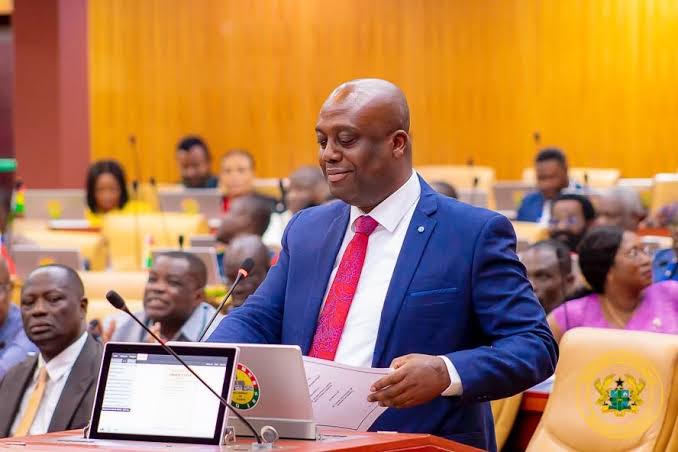
Deputy Finance Minister Thomas Nyarko Ampem made the revelation on the floor of Parliament on Tuesday, March 10, while delivering a statement on behalf of the Finance Minister, Cassiel Ato Forson.
Government official interviews

According to him, the government paid for 34,000 metric tonnes of rice as part of interventions aimed at addressing the effects of the dry spell across the country.
However, the Ministry of Food and Agriculture reportedly received and distributed 24,000 metric tonnes, leaving 10,000 metric tonnes yet to be accounted for, despite the full payment having been made.
“Mr Speaker, in 2024, the Government of Ghana paid for 34,000MT of rice to address the impact of the dry spell. However, the Ministry of Food and Agriculture received and distributed 24,000MT of rice. To date, 10,000MT remains unaccounted for even though the entire quantity has been fully paid for.”
Mr. Nyarko Ampem further disclosed additional discrepancies uncovered during an audit involving the supply of maize to the government.
Ghana travel guide
He explained that a company had been contracted to supply 100,000 metric tonnes of maize, and the Ministry of Food and Agriculture submitted stores receipt advice indicating that the entire quantity had been delivered.
Based on the documentation provided, the Ministry of Finance processed a payment of GH¢771.2 million.
However, the audit later revealed that only 11,900 metric tonnes of maize had actually been supplied and distributed, raising further questions about the verification processes used to confirm the delivery of the commodities.
The Deputy Minister added that the stores receipt advice used to support the payment request had been accompanied by a checklist certified by the internal auditor of the Ministry of Food and Agriculture, a development that has intensified calls for stronger oversight and accountability in the management of public resources.
Source: CNR





Discussion about this post